

ABA
Tips for an Autism-Friendly 4th of July
July 2, 2025
•
5 min read

TABLE OF CONTENTS

Share with others


Tips for an Autism-Friendly 4th of July
The 4th of July is a time of celebration, but it can be overwhelming for children with autism due to sensory challenges. Here are some tips to help ensure a safe and enjoyable experience:
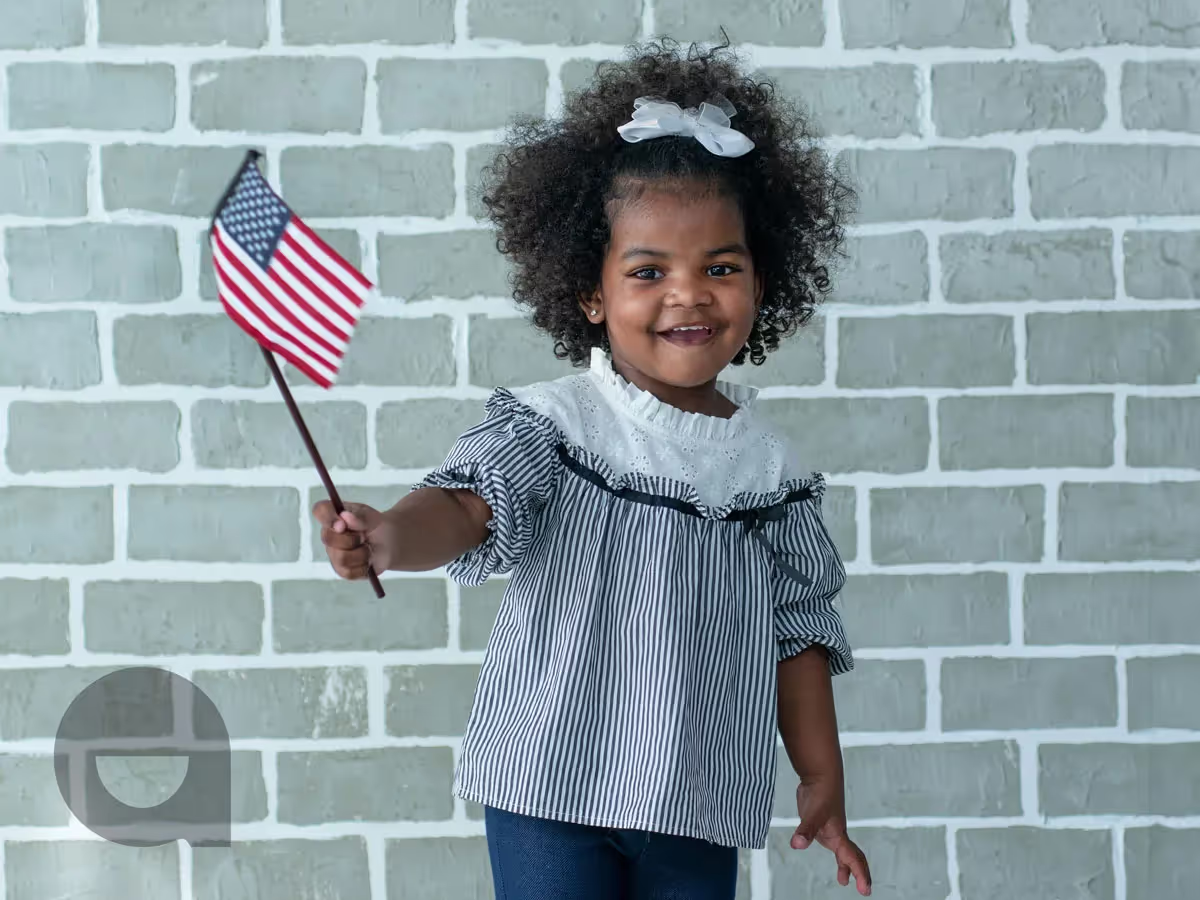
Considering Sensory Needs
Fireworks and festivities can trigger sensory overload. Here’s how to prepare:
- Noise-Cancelling Headphones: Reduce the impact of loud sounds.
- Prepare a Safe Space: Have a quiet area where your child can retreat if overwhelmed.
- Practice Desensitization: Gradually expose your child to fireworks sounds using videos or recordings at a low volume, increasing as they become more comfortable.
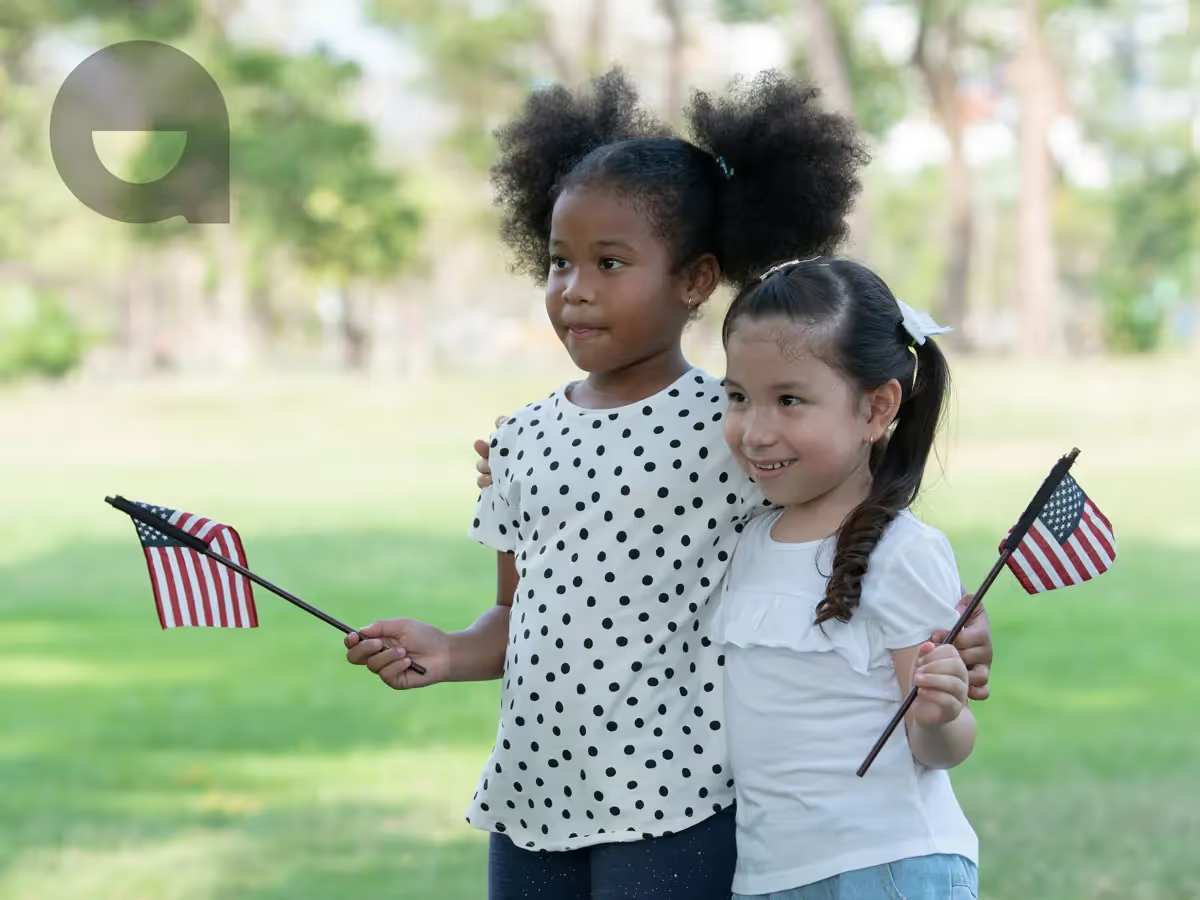
Planning an Autism-Friendly 4th of July
Preparation is key to a smooth experience:
- Create a Schedule: Use visual schedules to outline the day’s activities.
- Social Narratives: Explain the events and sensory experiences they might encounter using social narratives.
- Familiar Environment: Celebrate in a familiar setting where your child feels safe.
Safety First
Ensure safety during the festivities:
- Stay Close: Monitor your child closely.
- Identify Triggers: Be aware of potential triggers and have a plan to address them, like bringing favorite toys or comfort items.
- Emergency Plan: Have an emergency plan, including a meeting point and a way to communicate if separated.
Engaging in the Festivities
Make the 4th of July fun and inclusive:
- Sensory-Friendly Activities: Engage in calming activities like water play, arts and crafts, or a quiet picnic.
- Alternative Celebrations: Consider a smaller, controlled environment like a backyard celebration with sparklers or glow sticks.
- Community Events: Look for sensory-friendly events in your area and bring comfort items and supports.
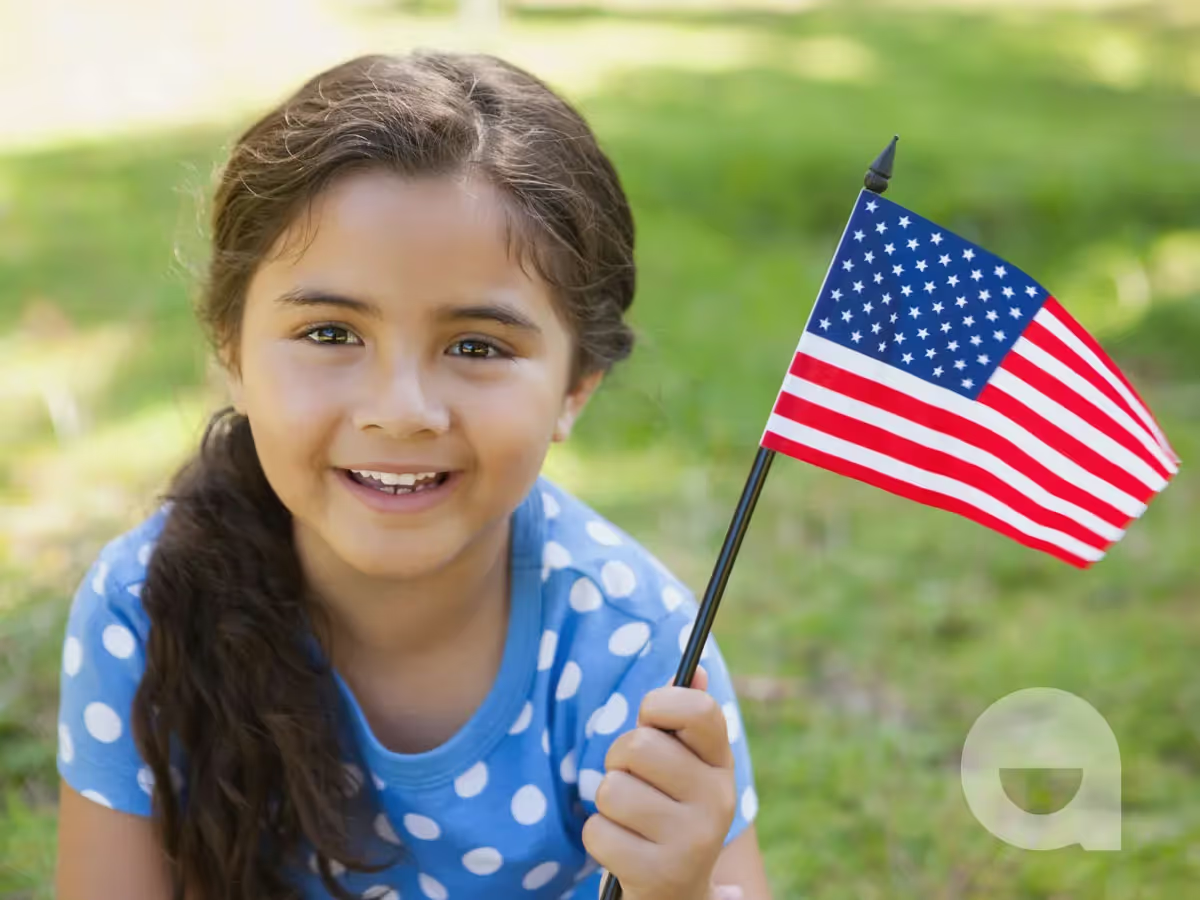
Additional Tips for a Smooth Celebration
Watchfrom a Distance: Reduce sensory input by watching fireworks from a distance or from the car.- Take Deep Breaths: Encourage your child to take deep breaths to stay calm.
- Focus on Fun: Keep the mood light and positive. Your excitement can help them feel excited too.
- Create a Special Space: Bring a favorite blanket, towel, or chair to create a defined space for your child.
- Teach Break Requests: Ensure your child knows how to ask for a break if needed. Use verbal reminders or visual aids like communication cards.
By preparing and planning, you can help your child with autism enjoy a safe and fun 4th of July. Celebrate in a way that suits their needs and keeps the focus on family fun.
Related posts

ACES Team
5 min read
Press Release: ACES Helps Advance Quality and Transparency in ABA
ACES joins six leading ABA providers to validate CASP treatment benchmarks, demonstrating 2x the outcomes per therapy hour while advancing ABA care.

5 min read
In-Home vs Center-Based ABA Therapy
Compare in-home and center-based ABA therapy. Real pros and cons of each setting to help you decide.

ABA
5 min read
How Does ABA Therapy Work?
Learn how ABA therapy works, from evidence-based techniques to what happens in sessions. Expert guide for autism treatment.
Expert Insights for Families
Receive trusted information, practical guidance, and the latest resources from our clinical team.