

Autism Awareness, Holidays and Social Gatherings
TABLE OF CONTENTS



There’s always a different feeling in the air around the holidays. For most parents, the holidays mean time off from work and some long-awaited, increasingly rare opportunities to spend quality time with family, friends, and loved ones. However, if you have a child on the autism spectrum you may be feeling a bit differently. For children who have been diagnosed with autism, large family get-togethers, holiday parties, festivals, and other social gatherings are prime settings for sensory overloads, emotional blowouts, and other challenging experiences. And don’t even get us started on the Fourth of July! In today’s post, we are going to highlight some of the common challenges that children on the autism spectrum face during the holidays. We hope that by bringing awareness to these experiences, we can help make the holidays a little more cheerful for everyone. Keep reading, and get in touch with ACES to learn more about our Applied Behavior Analysis (ABA) therapy and other effective autism treatments! Interested in this topic? Be sure to check out part two of this blog to learn some great strategies for making the holidays and other large social gatherings easier for children on the autism spectrum.
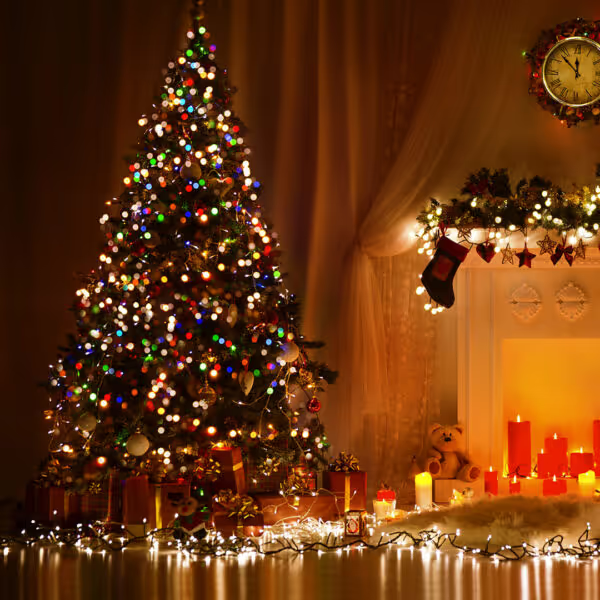
Bright Lights & Flashy Decorations
While every child has their own unique challenges, sensory issues are very common for kids on the autism spectrum. Whether it’s bright, flickering Christmas lights, scary Halloween decorations, or other flashy decors, the holidays present lots of opportunities for visual overstimulation that can feel impossible to avoid.
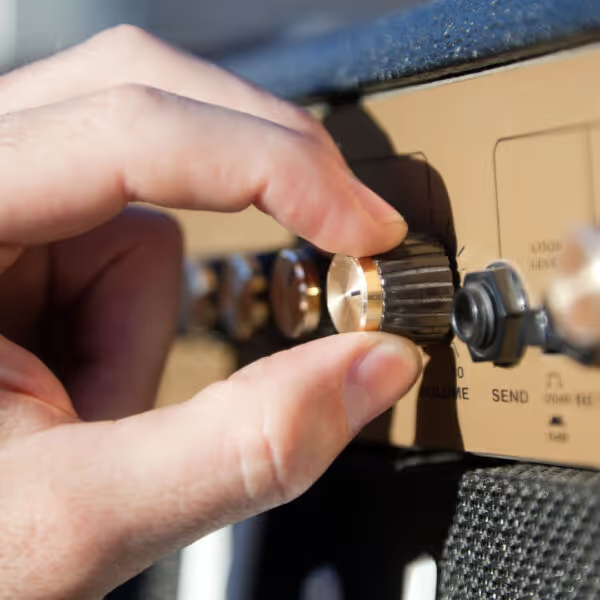
Loud Noises & Strong Smells
Auditory overstimulation is one of the most commonly known challenges for children with autism. It is commonly — albeit not always properly — portrayed by characters in movies and TV shows so the general public tends to be more aware of these issues. However, what most people, including some parents of children with autism, don’t know is that strong flavors and smells can cause sensory overstimulation as well! With most holidays centered around food, particularly holiday foods that children don’t regularly eat, overwhelming smells and flavors are practically unavoidable.
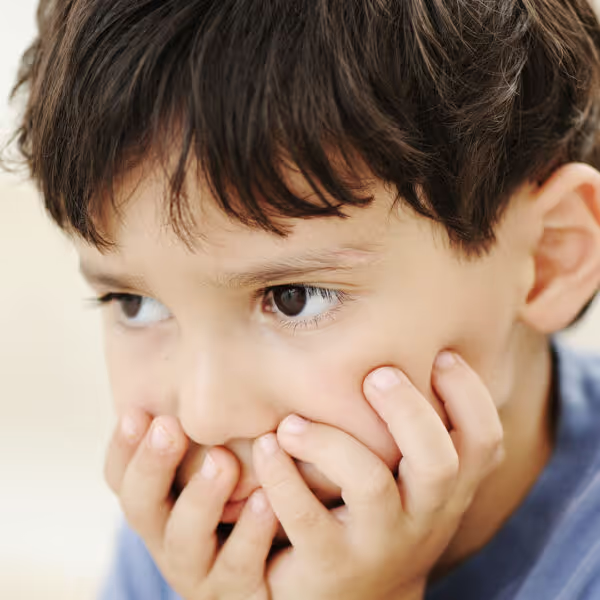
Changes to Routines
For children on the autism spectrum, one of the most difficult things about the holidays is having their routines turned upside down. Most kids with autism thrive in situations that are consistent and predictable, so the chaos of the holidays can cause a lot of distress and confusion.

How Their Behavior is Interpreted
With all of the extended family and friends around during the holiday season, children with autism have to interact with a lot of personalities, expectations, and situations that are outside of the norm. There are a lot of traditions and behavior expectations during the holidays, and family members may have a difficult time understanding the behavior, intentions, and needs of a child on the autism spectrum.Thanks for reading! Be sure to check out part two of this blog where we offer up some helpful tips for making the holiday season easier for children with autism.
If you are looking for the best autism therapies and treatments for your child or teenager, find an ACES ABA center near you or get in touch with ACES to learn more about our Applied Behavior Analysis (ABA) treatments.
Related posts

Expert Insights for Families
Receive trusted information, practical guidance, and the latest resources from our clinical team.