

Your Child with Autism: Preventing and Dealing with Bullying

TABLE OF CONTENTS




Take a Stand Against Bullying Children on the Spectrum
Sadly, children on the spectrum are more likely to be bullied than their neuro-typical peers. While no parent likes to learn that their child with autism is bullied, there are steps we can take to prevent and stand against bullying.
Here are some steps which can help you support your child while fostering inclusivity within the community:
Help Your Child Recognize Bullying and Give Them the Tools to Share Their Experience
Some children with autism are unaware that they are treated poorly, while others cannot verbalize their experiences. Talk to your child about acceptable and unacceptable treatment from peers and adults. Provide examples of some forms of bullying, such as:
- Words: Saying mean things, calling people names, or spreading stories
- Exclusion: Leaving someone out of games, parties, and other activities
- Violence: Physical hitting and pushing (even if "no harm is done") or taking someone's stuff without permission
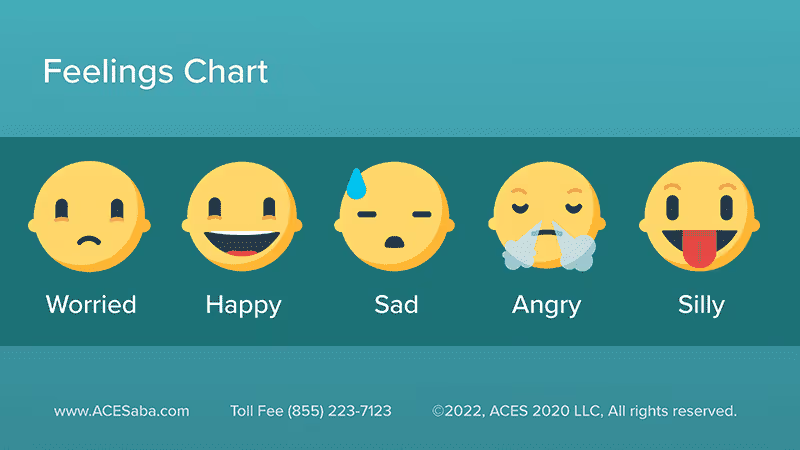
If you perceive something's off, ask your child if something made them angry or sad. Ask them to point out or describe the situation. You can create a social story, allowing you to pinpoint the child's emotions throughout the day. Start in the morning, naming the activity and have the child match the picture of a sad, happy or angry face.
Involve the School
Ask about the strategies they have in place for handling bullying. Then, schedule a meeting with a teacher and calmly explain what's happening and how it affects your child. For example, if bullying occurs during lunch, the school may direct your child toward a different group or location, such as a chess club, the library, or a gardening spot.
Educate
Though mainstream schools usually take bullying seriously, you may need to further their knowledge about autism and inclusiveness. Propose an Inclusiveness Workshop; reach out to local non-profits for ideas and resources.
Related posts




Expert Insights for Families
Receive trusted information, practical guidance, and the latest resources from our clinical team.