

¿Qué es el autismo? Señales y apoyo para niños y cuidadores
El autismo afecta la forma en que los niños se comunican y se conectan. Entender el autismo puede conducir a una mejor atención y crecimiento.

TABLA DE CONTENIDO



El trastorno del espectro autista (TEA o autismo) es una afección compleja del neurodesarrollo. Los signos del autismo suelen aparecer alrededor de los 3 años, aunque pueden ser más evidentes más adelante. Si sospechas que un niño bajo tu cuidado tiene autismo o ha recibido un diagnóstico recientemente, es normal que te sientas abrumado por la información contradictoria, las opiniones poco útiles o la preocupación por lo que esto podría significar para su futuro. El objetivo de esta guía es proporcionar una comprensión clara del autismo y el apoyo disponible para tu familia.
Qué es el autismo
El autismo es una diferencia en el desarrollo neurológico en la forma en que el cerebro procesa la comunicación, la interacción social, el comportamiento y la información sensorial. Las variaciones en el cerebro y el sistema nervioso a medida que crecen y maduran pueden afectar el desarrollo cognitivo, motor, social y conductual.
El TEA se denomina «espectro» porque las fortalezas y los desafíos de cada persona con autismo varían significativamente. Es posible que algunos niños requieran más intervenciones que otros; sin embargo, el apoyo personalizado siempre puede ser útil, sin importar cuán sutiles o evidentes sean los desafíos externos.
El autismo es un espectro: las fortalezas y los desafíos de cada niño son diferentes, y el apoyo también debería serlo.
Qué hace que los cerebros autistas sean diferentes
Las investigaciones muestran que las personas con autismo tienen diferencias en el tamaño y la estructura del cerebro incluso durante la primera infancia. Por ejemplo, los niños pequeños autistas pueden tener volúmenes cerebrales más grandes, entre un 5 y un 10% más grandes que sus compañeros, y sus cerebros también muestran diferencias en el cerebelo, lo que está relacionado con la planificación, el lenguaje y las habilidades sociales. También se han descubierto variaciones en la amígdala (importante para las señales emocionales y sociales) y en el hipocampo (clave para el aprendizaje y la memoria).
Además, algunos estudios sugieren menos poda sináptica en los cerebros autistas, lo que conduce a más conexiones neuronales que en los individuos neurotípicos y a un reconocimiento de patrones más fuerte o a una memoria más intensa. Estas características cerebrales únicas pueden afectar la comunicación y la adaptabilidad y crear fortalezas únicas.

Puntos fuertes y signos del autismo
Los niños con autismo aprenden, juegan y demuestran que se preocupan de diferentes maneras. Si bien algunos niños pueden desarrollar un interés intenso por los patrones, los números o temas específicos, otros pueden mostrar una gran capacidad de pensamiento visual, memoria o juego creativo. Estas fortalezas pueden convertirse en herramientas que les ayuden a superar los desafíos que enfrentan en la vida diaria.
At the same time, kids with autism may need extra help with everyday skills and support to succeed at home, at school, and in their community.
Children with autism may struggle with:
- Coping with changes in routine
- Understanding social cues
- Comprehending tone of voice
- Interpreting facial expressions
- Navigating interactions with peers and adults
- Exhibiting repetitive behaviors such as hand-flapping, rocking, or spinning
- Selective eating or avoidant/restrictive food intake disorder (ARFID)
- Intense interest in specific topics, objects, or parts of objects
- Hyper or hypo reactivity to sensory input, such as being very bothered by crowds, sounds, lights, or textures, pain, or not reacting at all
Social and Communication Differences in Autism
When it comes to social differences, autistic children often struggle more than their peers with the “unwritten rules” of friendship. Reading facial expressions, knowing when to join a game, or how long to talk about a favorite topic can be genuinely hard for children with autism.
Common autistic social challenges include:
- Not knowing how to start a conversation or ask to play
- Missing social cues, for example, when a peer is bored, wants a turn, or needs space
- Getting overwhelmed in noisy or busy group settings
- Strong, specific interests that peers may not share or understand
These social challenges and autistic tendencies can sometimes lead to feelings of isolation or rejection, even when children desire connection. However, many children with autism can develop friendships and enjoy social interactions when adults and peers provide understanding and support. Friendships may look different, but can be meaningful, especially when nurtured with patience and awareness, helping autistic children build genuine connections.
Speech and language challenges are also common among autistic children and can compound social challenges. These can include being non-verbal, having delayed speech, or using unusual speech patterns such as echolalia (repeating words), pronoun reversal, or intonation (monotone/sing-song) tone.
Children with autism can have difficulty with back-and-forth conversations, literal interpretation, or have co-occurring conditions such as stuttering or Childhood Apraxia of Speech (difficulty coordinating speech muscles). In addition, because autistic children process information differently, they can also struggle to promptly respond to their name, answer a question, or follow through with a request.
Another common autistic trait is difficulty with nonverbal communication; this can include limited eye contact, difficulty interpreting gestures, and reduced facial expression. Some kids may also use alternative communication methods, such as pulling your hand to an item as a tool rather than pointing to a request.
It’s important to note that struggling with only one aspect of communication or engaging with others does not mean a child has autism, but noticing several signs together is a reason to talk with a pediatrician or specialist. Trusting your instincts as a caregiver and asking questions early can lead to quicker identification and support.
Everyday Challenges for Kids with Autism
In addition to communication and social autistic traits, the differences in a child’s brain with autism affect how their body processes information, responds to stress, and perceives physical sensations. These challenges can show up as sleep issues, feeling sick or uncomfortable, struggling in social situations, and medical problems like reflux or constipation, which can make caregiving even more challenging.
Autism and sleep problems
Sleep difficulties are prevalent in kids with autism. Research suggests that about half, and up to 80 percent, of children on the spectrum have sleep challenges at some point. When a child does not sleep well, it can affect their mood, behavior, attention, and learning. It can also take a toll on the entire family.
Common autistic sleep challenges include:
- Trouble falling asleep and needing long or particular bedtime routines
- Waking up often during the night or very early in the morning
- Getting less overall sleep or less deep sleep can affect emotional regulation
- Sleep disruptions caused by anxiety, sensory sensitivities, or medical issues like reflux or sleep apnea
When an autistic child is sick or in pain
Sensory processing differences can make illnesses feel more intense or make detecting pain more challenging. Many children with autism also have a hard time telling adults when they are not feeling well. Instead of saying “my head hurts” or “my stomach hurts,” they may exhibit behavioral changes.
Signs of illness or discomfort in children with autism can include:
- Increased meltdowns, aggression, or withdrawal
- Trouble eating or sleeping
- Getting less Sudden changes in mood or behavior sleep or less deep sleep can affect emotional regulation
These reactions are often a child’s way of communicating discomfort when words are hard to use. Sensory sensitivities can also make doctor visits, taking medicine, or using thermometers very stressful.
Autism and co-occurring conditions
Many kids with autism also have other medical or mental health conditions that can further complicate daily challenges. Managing more than one condition can be especially tiring for families.
Common co-occurring conditions include:
- ADHD, anxiety, or mood challenges
- Epilepsy or seizure disorders
- Sleep disorders, such as insomnia or breathing-related sleep problems
- Ongoing GI issues like constipation or reflux
Why autism can feel so hard for caregivers
Because sleep problems, hidden pain, sensory overload, and communication challenges often happen together, they may show up as frequent meltdowns or behavior that looks oppositional. Caregivers may feel blamed or judged, even though their child is working much harder than their peers just to get through the day.
Support that can help includes:
- Checking for sleep or medical issues when behavior or mood suddenly changes
- Using consistent routines, visual schedules, and sensory supports to lower stress
- Therapies that support building communication, coping, and daily living skills, such as Applied Behavioral Analysis (ABA), speech, and occupational therapy
How to Get an Autism Diagnosis
Receiving a diagnosis can help pinpoint proper support and open more doors to resources for children and their caregivers. The process of getting an autism diagnosis typically involves several stages to ensure a thorough and accurate assessment.
Step 1: Developmental screening
A pediatrician or healthcare provider may begin by conducting a developmental screening to identify early signs of autism. The screening might include questions about the child’s communication, behavior, and social interactions.
If concerns arise after the screening, the provider will refer the patient for a more comprehensive evaluation.
Step 2: Scheduling an autism evaluation
A diagnosis can be given by a developmental pediatrician, child psychologist, child psychiatrist, or pediatric neurologist who is specifically trained to assess and identify the unique characteristics of autism. Your insurance may require the diagnosis to be provided by a specific type of provider, so calling to confirm that the assessor is in network and qualified is essential.
Some areas may have extensive waitlists for assessments, so joining multiple lists can help ensure the child in your care is seen as soon as possible.
Autism can present differently by age, gender, or exposure to trauma. Ethnicity can also influence the diagnosis process due to medical biases, resulting in Hispanic and Black autistic children often facing years of delay between first concerns and a formal diagnosis.
Most assessors will be aware of the nuances of gender, age, and trauma's influence on autistic presentation, but if your child has a unique history, it doesn’t hurt to confirm that the assessor is experienced in evaluating similar situations. Once you find someone you’re comfortable with, don’t shy away from asking questions about what to expect during the process. The more you know, the more at ease you’ll feel and the better you can support the child in your care when an appointment becomes available.
Assessment sessions are lengthy and may be spread over several different days. Paperwork and questionnaires for the caregiver may be required to be filled out before the appointment. As the assessment date approaches, caregivers may be feeling hesitant or nervous. Many may feel waves of grief, relief, and even misplaced guilt. It’s important to have your own support system in place to process the emotions of your suspicions of autism potentially being confirmed.
Situational and environmental factors may influence the child’s responses and performance during an assessment. Preparing the child for their evaluation in advance by letting them know that the purpose is to learn about their brain and scheduling something to look forward to afterwards may also help them better understand and cooperate in the process. Depending on the child, maintaining a routine around the assessment or scheduling downtime before or after may help them feel their best in the evaluation.
Step 3: Getting an autism diagnosis
During the evaluation, the assessor will use specific criteria focused on social communication differences and repetitive behaviors, as well as how these factors affect a child with autism’s daily life in various settings.
The evaluation will likely involve:
- Detailed questions about the child’s early development, medical history, and family history
- Observation of how they play, communicate, and interact with others
- Standardized tools and assessments to evaluate social skills, communication abilities, and behavior patterns
- Age-based and language-skill-adapted cognitive tests may also be part of the process to rule out learning disorders or other possible diagnoses.
Depending on the facility, scoring the assessment may take a day to a couple of weeks after the appointments conclude. Once the results are available, a good assessor will be available to answer your questions and review the diagnosis.
At this point, many caregivers experience a grieving process as they adjust to the diagnosis and its implications. However, with time, support, and understanding, they often move towards acceptance and empowerment, focusing on helping the child thrive and reach their full potential. Once diagnosed, families can access a range of services, including ABA therapy, speech therapy, and school-based supports, to help their child thrive.
Early understanding and the right support can help children build communication, confidence, and meaningful connections over time.
Autism levels
You may hear the assessor or another professional talk about “levels” of autism after an evaluation. These levels help describe how much support a child needs right now, not who they are or what they can achieve.
Autism levels come from the Diagnostic and Statistical Manual of Mental Disorders and are used to guide services and support. They are not permanent labels, and many children’s needs change over time, especially with early intervention and family support.
Autism is described using three levels:
- Level 1: Requiring support
- Level 2: Requiring substantial support
- Level 3: Requiring very substantial support
A child may have stronger skills in one area and need more help in another. Levels reflect overall support needs, not intelligence, personality, or future potential.
Autism Level 1: Requiring support
Kids with a level 1 diagnosis often use spoken language and may do well academically, but social situations can be challenging. Their differences may be subtle and sometimes overlooked.Common level 1 autistic challenges can include difficulty starting or maintaining conversations or trouble understanding social rules, tone of voice, or body language. A child with this level of diagnosis often wants friendships but may not know how to connect in expected ways. These children may have a strong preference for routines and predictability and can feel overwhelmed in busy, noisy, or unstructured settings.
Children with autism level 1 often benefit from:
- Social skills support
- Help with flexibility, transitions, and managing anxiety
- Emotional regulation strategies
- School accommodations and predictable routines
With the right support system and accommodations, many children at this level can thrive in general education settings.
Autism Level 2: Requiring substantial support
Children with a level 2 diagnosis usually have more noticeable differences in communication and behavior. They may use short phrases, limited language, or alternative ways to communicate.Common level 2 autism traits include difficulty with reciprocity in conversation and understanding social cues, even with support. They may display more frequent repetitive behaviors or intense interests, and their reactions to changes in routine or overwhelming sensory input affect daily life.
Children with autism level 2 often benefit from:
- Structured, consistent therapies such as ABA
- Speech therapy to expand communication skills
- Possible assistance with daily living skills like eating, dressing, or toileting
- Visual schedules and clear expectations
- Increased adult support at school and in the community
With consistent care, many children make steady progress and gain more independence over time.
Autism Level 3: Requiring very substantial support
Kids given a level 3 diagnosis have significant support needs across many areas of life. Some may use little or no spoken language and rely on alternative communication. In addition to limited verbal communication, children with this level of diagnosis can experience social engagement challenges, intense repetitive behaviors or sensory reactions, and struggle with basic self-care and safety.
Children with severe 3 care needs can experience high distress in unfamiliar situations or when changes occur. These behaviors are not intentional or malicious. They reflect how the child’s brain and nervous system process information and stress.
Children with autism level 3 often benefit from:
- ABA therapy focused on communication, safety, and daily living skills
- Speech and occupational therapy
- Highly structured environments with consistent routines
- Ongoing family education and coordination of care
With the proper support, children at Level 3 can learn, communicate, and build a meaningful quality of life.
{{card-autism}}
Myths / Clarifications Section
Important things to know about autism levels
- Levels can change as skills grow and supports increase
- Levels do not limit potential or predict long-term outcomes
- Support matters more than the label
- Every child with autism is unique, even within the same level
The goal is always to understand the child’s needs now and how to best support their growth.

Family involvement in ABA
The right ABA partner will support you with ABA strategies you can implement at home to accelerate the child’s progress further. These can include:
- Tools to practice at home and in everyday routines
- Guidance on practicing communication, social skills, and coping strategies in the community
- Supporting partnerships with providers and schools to keep goals consistent across settings
ACES also offers resources such as family education sessions, free autism webinars, and ongoing communication with your care team to ensure that you feel respected and supported and that the child in your care feels safe and succeeds.
Learning about autism can be an ongoing process, full of ups and downs. We’re here to help throughout it all.
Research & Sources
- National Autism Center (2015). Findings and Conclusions: National Standards Project, Phase 2.
- U.S. Surgeon General (1999). Mental Health: A Report of the Surgeon General – Autism and ABA.
- Dawson, G., et al. (2010). Randomized, Controlled Trial of an Intervention for Toddlers with Autism: The Early Start Denver Model. Pediatrics.

Clear answers for Every Stage of the Journey
Explore guides and articles designed to help you better understand autism, ABA, and what care can look like.



Common Questions
Straightforward answers to help you feel more confident moving forward.


Understanding autism
Caring for a child with autism can feel like an ongoing process of acceptance and grief, confidence and uncertainty. Support and understanding along the way can make a profound difference in the potential quality of life.
No matter the level, autism does not just affect the child but can impact the entire family’s routines, emotions, and future plans. Finding a community that is committed to helping each child reach their full potential can make all the difference in their lives and yours. Whether you are just starting to explore an autism diagnosis or have already received one, Applied Behavior Analysis (ABA) can help.
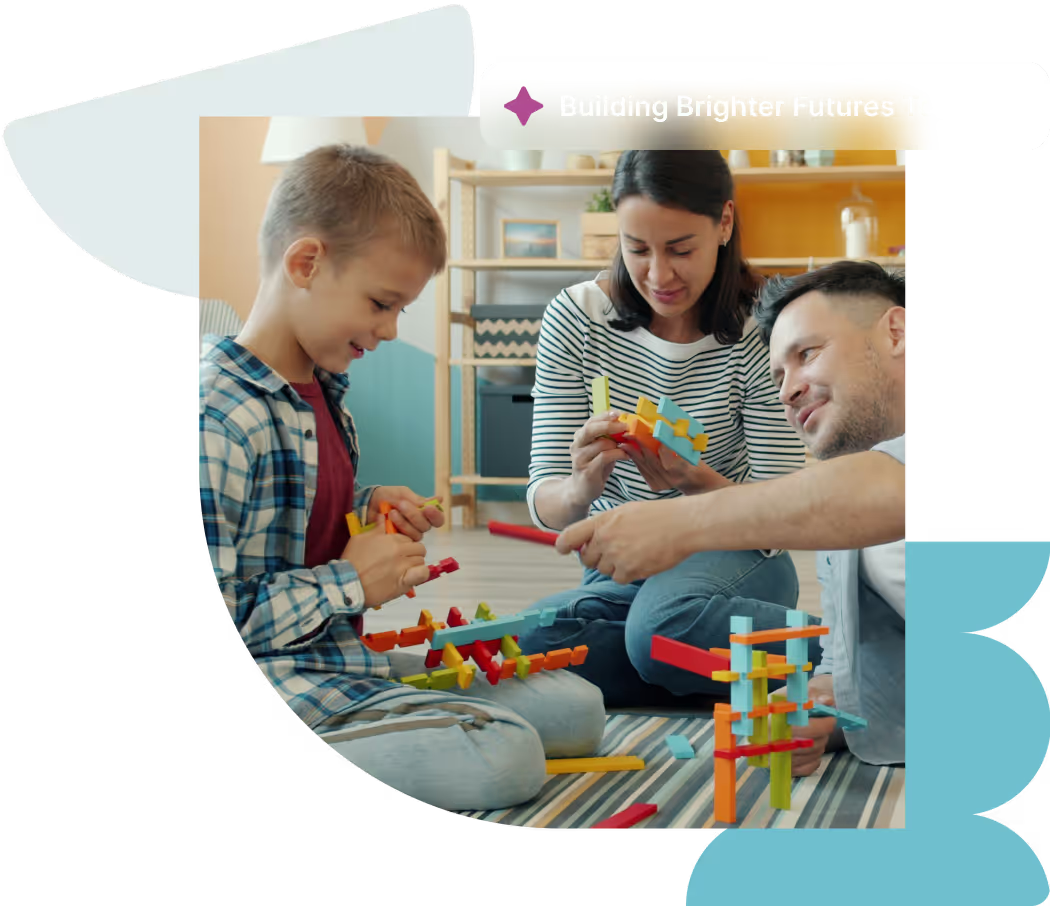
ABA is an evidence-based therapy that helps teach children with autism skills step by step while reinforcing positive behaviors. This highly individualized approach can be effective in supporting communication, social, and life skill development.
ABA can help by:
- Building communication skills
- Teaching social and play skills
- Supporting emotional regulation
- Increasing independence in daily routines
- Reducing frustration by assisting children in expressing their needs
At ACES, therapy plans are based on each child’s strengths, challenges, and family goals, not just a diagnostic level. We deliver effective, fun ABA therapy through individualized play-based sessions. Our engaging, child-centered therapies encourage and celebrate growth in key areas, like communication and social skills.