

13-18 Month Milestones

TABLA DE CONTENIDO



Between the ages of 13-18 months, babies continue to make great strides in their physical, cognitive, social, and emotional development. As they become more independent and mobile, they become more curious about the world around them.If your child is slowly hitting age milestones, ACES ABA can help. We can assess what may be going on and provide early infant intervention services for babies with autism. Contact us today to learn more.

Physical Milestones
During this stage, babies become more confident in their movements. They may walk alone more steadily and even walk up steps or run. They become more independent in life skills such as dressing, drinking from cups, and eating with a spoon. They may also begin to show bladder and bowel control.In addition to developing their gross motor skills, babies continue to progress with their fine motor skills. They may be able to feed themselves snacks like crackers and may enjoy scribbling with crayons or markers.
Cognitive Milestones
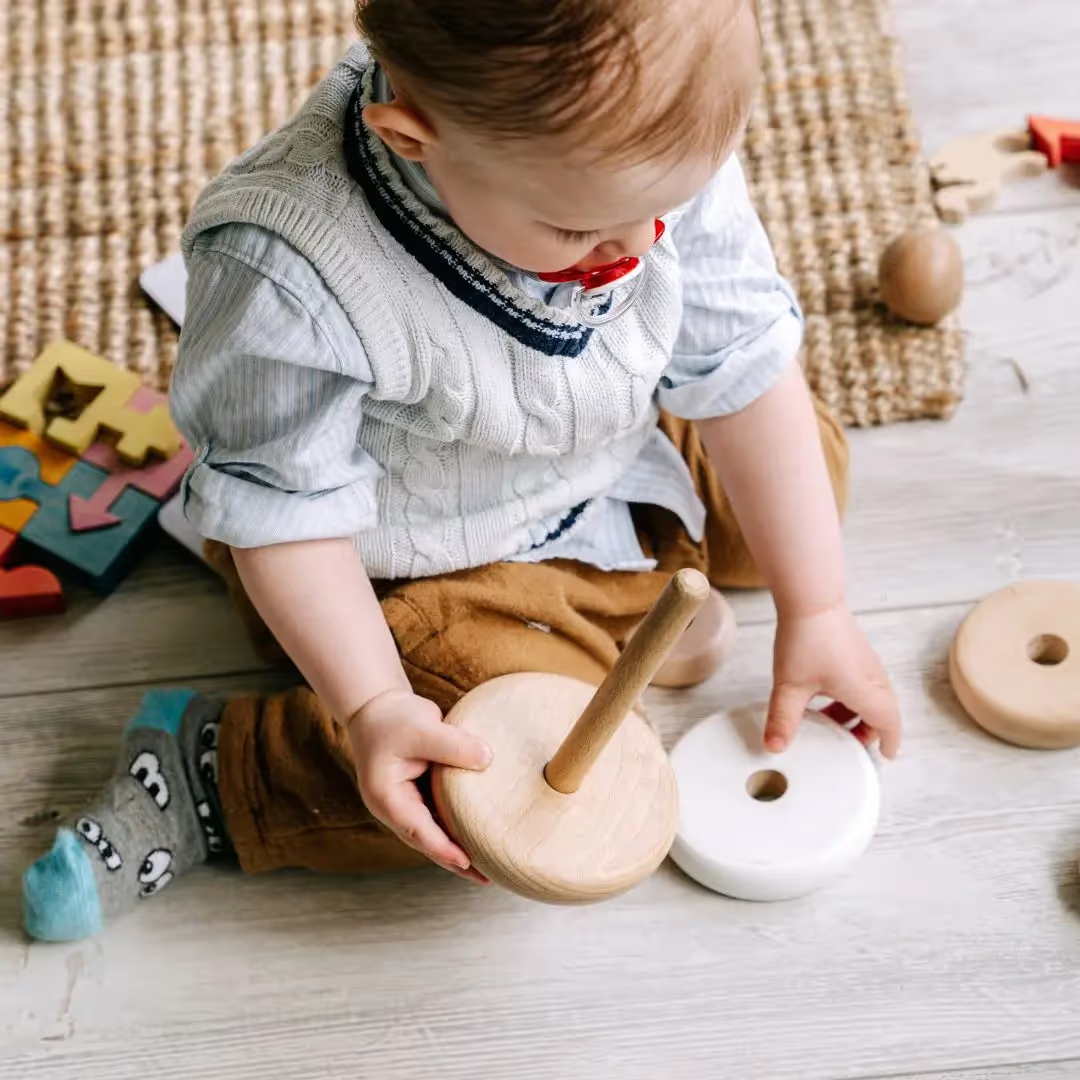
Babies at this age can understand what ordinary things are for; for example, telephone, brush, and spoon, and they may enjoy playing with toys that require problem-solving skills, such as puzzles or shape-sorters. They can follow one-step verbal commands without gestures; for example, they sit when you say "sit down." They also understand more about their body and can point to a body part when asked and also may show interest in dolls or stuffed animals by pretending to feed them.
Social and Emotional Milestones
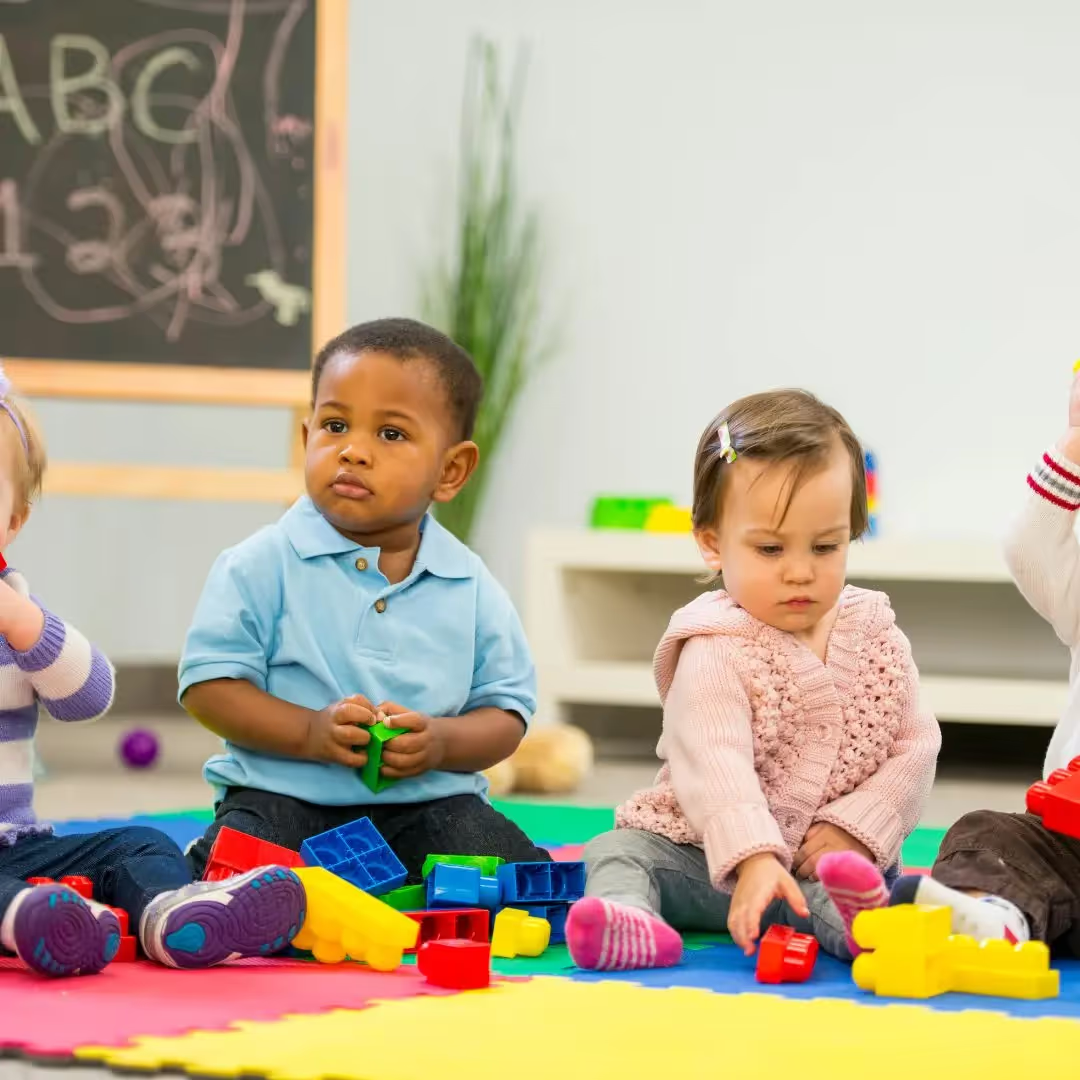
As babies become more social, they may enjoy playing with other children and may even begin to develop close friendships. At this age, they like to hand things to others to play with and can show affection to familiar people. They may also become more interested in imitating adult behavior and enjoy pretending to cook or clean. Separation anxiety may still be prevalent for some babies, as they may still show fear for strangers and cling to a caregiver in a new situation. Temper tantrums become more common at this age as they develop more preferences.

Communication Milestones
By 13-18 months, babies typically have a vocabulary of several single words. They may be able to put together simple phrases, such as "more milk" or "bye-bye, Daddy." They also begin to understand more complex language and may be able to follow two-step instructions, such as "Go get your shoes and bring them to me." Babies at this age also use nonverbal communication methods, such as pointing, nodding, and shaking their heads.As your baby continues to grow and develop during the 13-18 month period, it's important to celebrate their accomplishments and encourage their natural curiosity and exploration. Remember that every baby is unique, and ACES ABA is here to help you understand your child’s stage of development. Contact us if you have any questions or want to learn more about early signs of childhood autism.
Publicaciones relacionadas


Perspectivas de expertos para familias
Reciba información confiable, orientación práctica y los recursos más recientes de nuestro equipo clínico.