

3 Years Milestones
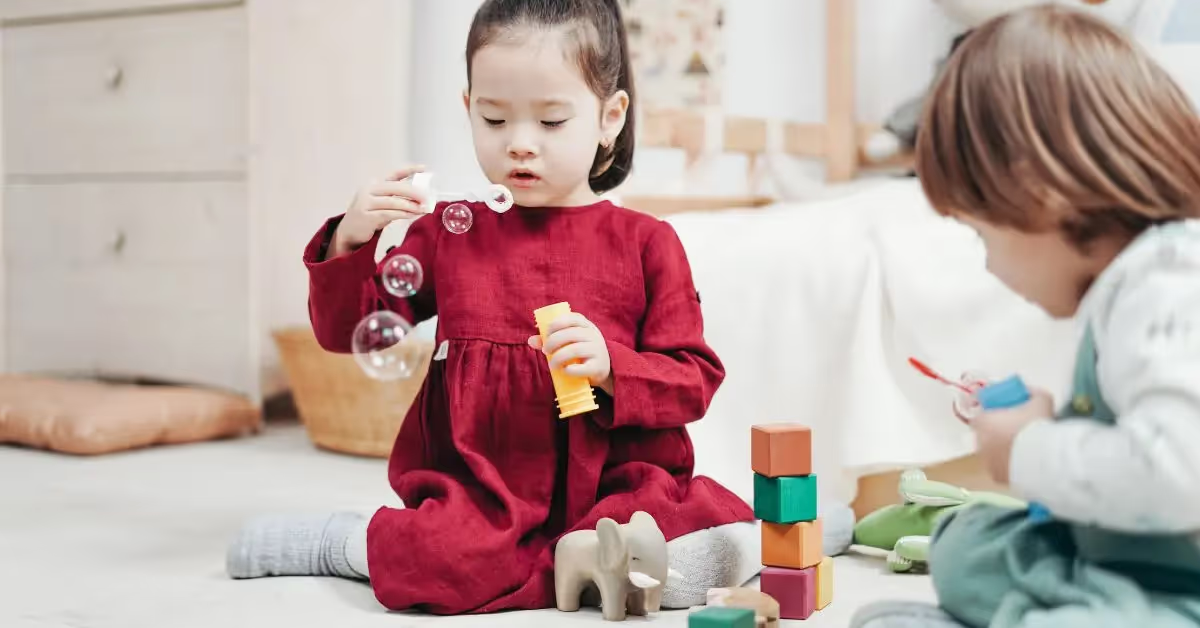
TABLA DE CONTENIDO



As parents, we all love to watch our children grow up and hit new milestones in their development. However, for parents with children on the autism spectrum, these milestones can be especially significant. At ACES, our goal is to elevate the standard of treatment for autism and help improve the lives of children with autism. Learn more about the milestones you can expect to see in your child at the age of three with our help below.

Adaptive Milestones
The adaptive milestones for three-year-old children on the autism spectrum include being able to differentiate between food and non-food substances, take off clothes without assistance, control bowel movements regularly, wash hands independently, use a fork, make responsible toileting decisions, and wipe their nose with some help.
Cognitive Milestones
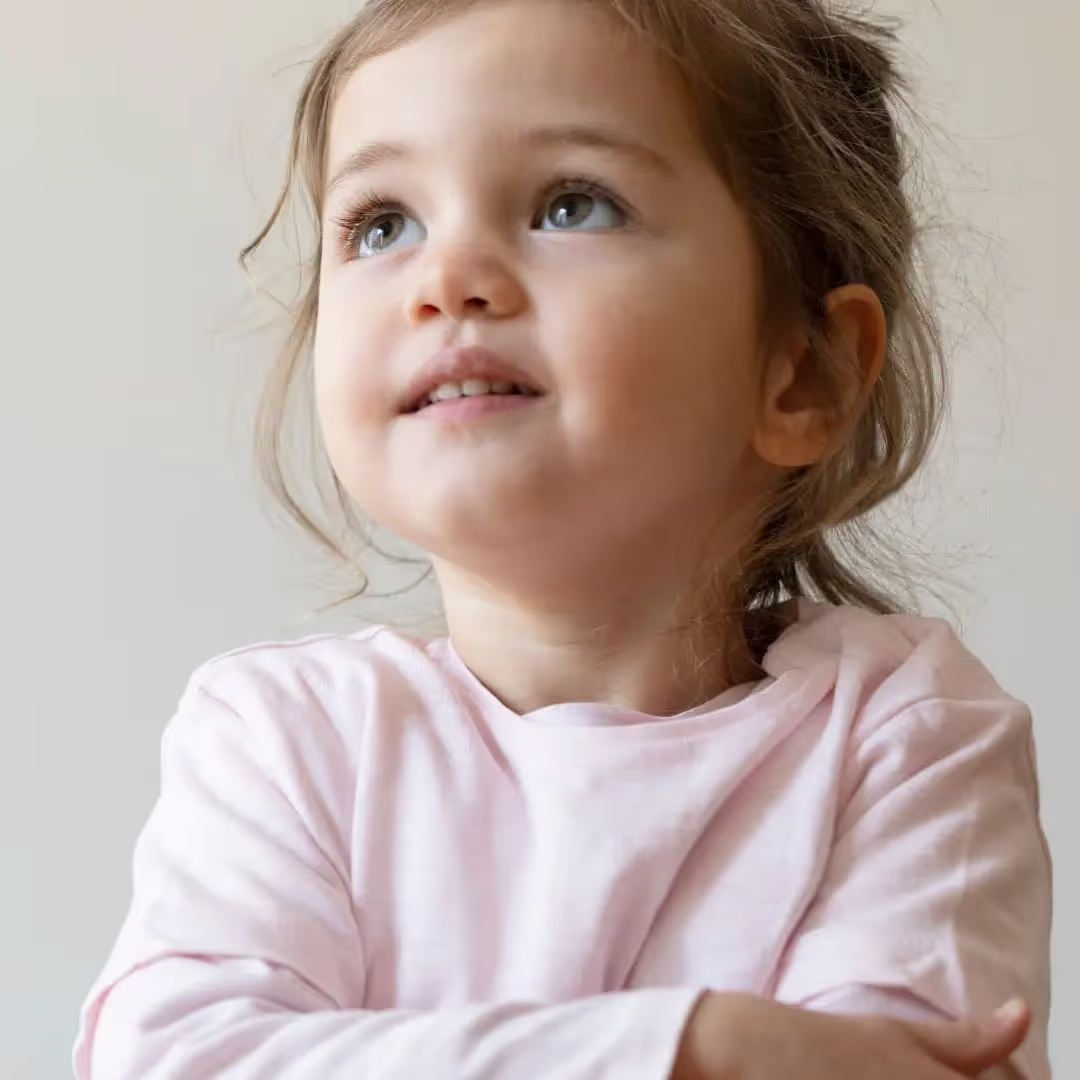
In the cognitive milestones category, children with autism can become more proficient at finding objects that are hidden under two or three covers. Some children start to sort shapes and colors; complete sentences and rhymes in familiar books; play simple make-believe games; build towers of four or more blocks; use one hand more than the other; name items in a picture book such as a cat, bird, or dog; and follow two-step instructions such as “pick up your shoes and put them in the closet.”

Language and Communication
The language and communication milestones for some three-year-old children with autism include being able to point to things or pictures when they are named, know the names of familiar people and body parts, say sentences with two to four words, follow simple instructions, repeat words that have been overheard in conversation, and point to things in a book.
Movement
Movement milestones at the age of three for most children include standing on tiptoe, kicking a ball, starting to run, climbing onto and down from furniture without help, walking up and down stairs holding on, throwing a ball overhand, and making or copying straight lines and circles.
Social and Emotional
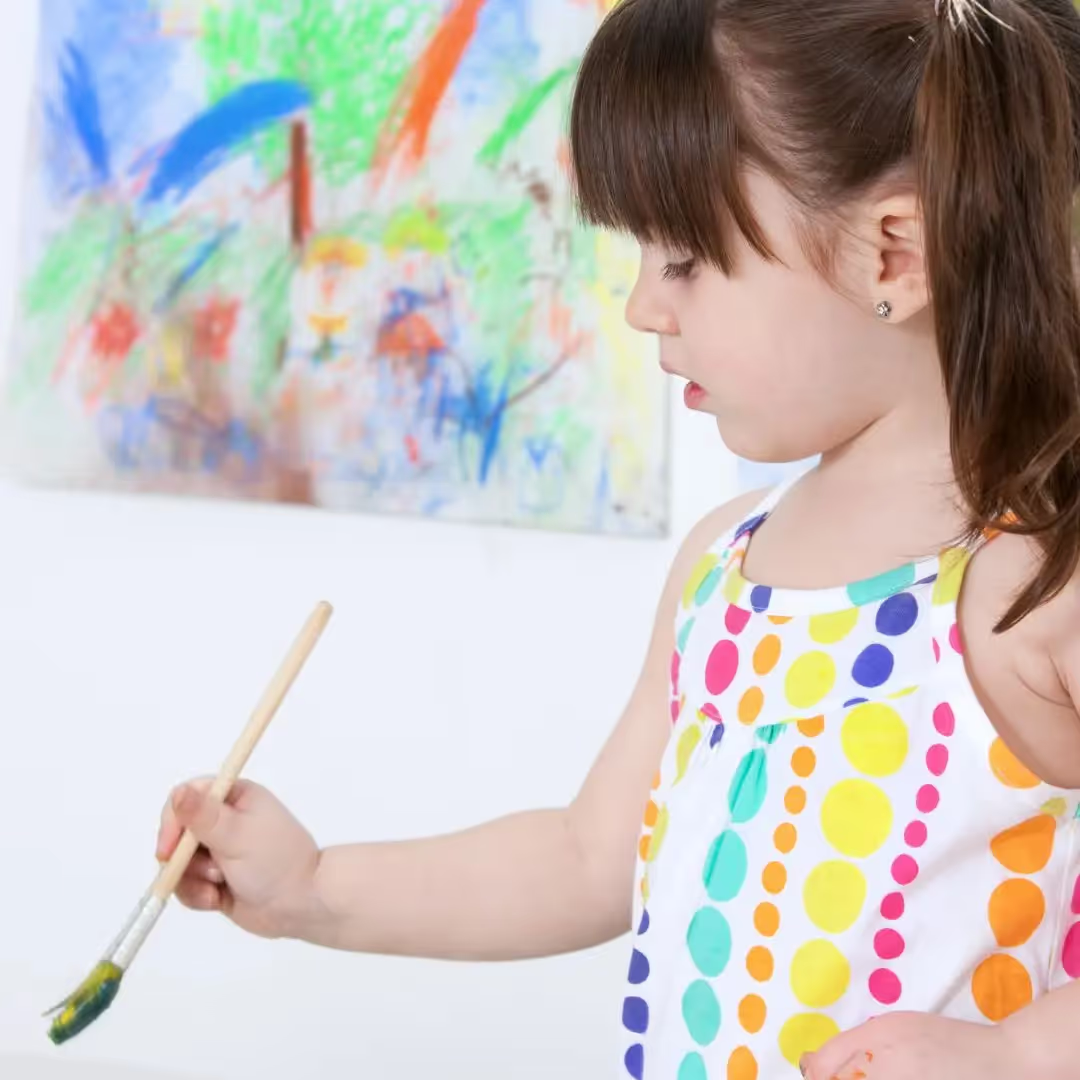
It’s important for children with autism to develop social and emotional milestones. Many children that reach social milestones at the age of three include copying others, getting excited around other children, showing more independence, and starting to include other children in games. Some Emotional milestones include showing more independence and sometimes even defiance or rebellious behavior. It’s important to note that since each child with autism is different, the milestones achieved may vary, but progress will always lead to personal growth.
At ACES, we offer a variety of early intervention programs for infant to three-year-olds, including Infant Stimulation and the ACES Learning Center, which allow for a rich therapy experience that helps children with autism achieve developmental milestones. By understanding these milestones, we can help our children with autism reach their full potential and build a better future for themselves. Find an ACES location near you to get started today!
Publicaciones relacionadas



Perspectivas de expertos para familias
Reciba información confiable, orientación práctica y los recursos más recientes de nuestro equipo clínico.