

How to Potty Train a Child with Autism Using ABA Techniques
TABLA DE CONTENIDO



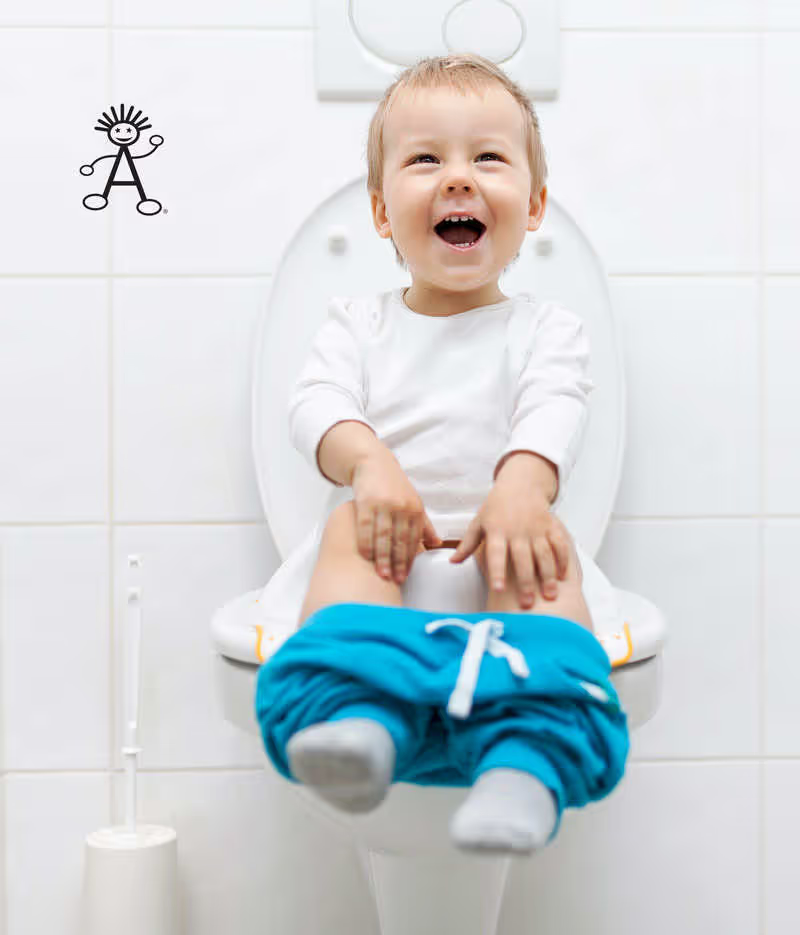
Parents can Use Applied Behavior Analysis (ABA) Tools to Toilet Train a Child with Autism
Potty training a child in the spectrum takes patience, consistency, and positive reinforcement. However, you can apply some of the techniques of ABA to ease the process. This blog will show you how to successfully potty train your child with autism using ABA techniques.
Planning Ahead
- Timing. Many families start toilet training their children during the summer when everyone's more relaxed. Additionally, children usually wear fewer clothes, which makes cleanup easier. However, the process will take a week or more.
- Place. It is recommended to stay at home for the first days, where the child feels comfortable and messes are easier to handle.
- Talk to the doctor. Before starting, talk to the child's pediatrician to ensure there aren't any physical obstacles to a successful training
- Watch for signs. You may notice your child stays dry for extended periods, or maybe they show an interest in using the toilet. This means your child is motivated to start.
Prime Your Child for Success
- Create an association. The goal in the first stages of training is to create a connection in the child's mind between the need to urinate and the act of urinating. Then, as soon as they feel the urge (or you catch them on the brink), take them to the toilet.
- If the child is non-verbal. Help them use signs or visual cues to indicate the need to pee; follow through by taking them to the toilet.
- Offer choices. Giving your child some choices will make it seem less of a chore. For example, take them shopping for toilet paper or underwear and have them choose.
- Model the desired behavior. Let the child see how mom or dad uses the toilet. Have them practice the moves and sit in the bathroom.

The Role of Positive Reinforcement
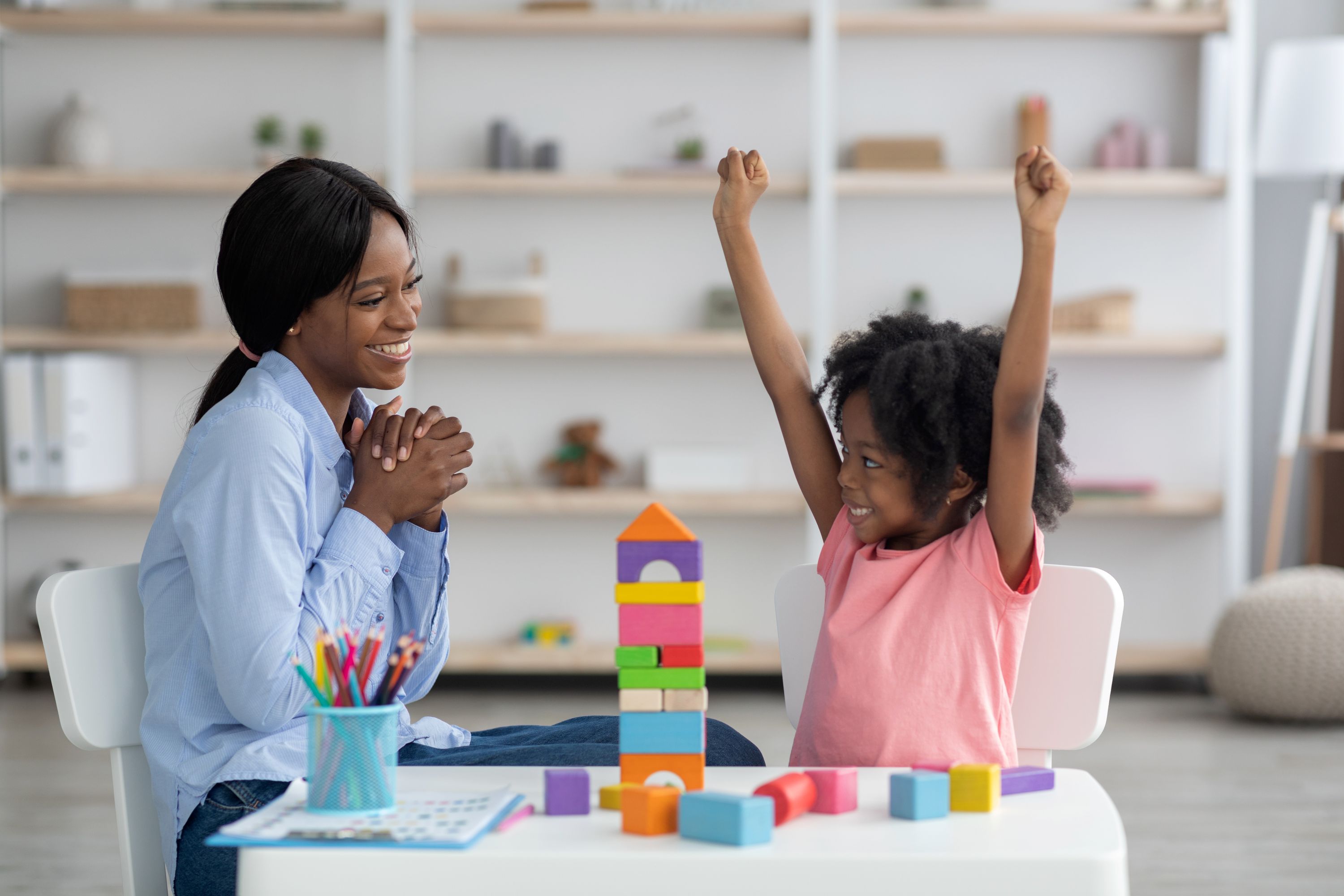
Reward success, ignore accidents. For the reward to be motivating, it should be something the child wants - as opposed to something you believe they want. It may be a favorite snack, a toy, or verbal encouragement. Also, make the reward proportionate to the success. A well-executed task should get a bigger prize than a task that wasn't fully accomplished.
- Avoid reprimands. Don't reward accidents with attention: keep your cool, clean the mess, and model the appropriate behavior.
- Take notes. Note which situations seem to trigger accidents and what seems to help. Your goal should be to diminish the triggers and to replace the unwanted behaviors (in this case, wetting or soiling their clothes) with more acceptable behavior (using the toilet.)
Remember that it takes time for most children to master the art of using the toilet. Progression happens not in giant leaps but step by step. These tips should help you in your journey.
Need Additional Help?
Need Additional Help? If you are currently receiving services speak with your supervisor or sign-up today!
Publicaciones relacionadas


Perspectivas de expertos para familias
Reciba información confiable, orientación práctica y los recursos más recientes de nuestro equipo clínico.