

Early Signs of Autism in Babies

TABLA DE CONTENIDO



Early detection and early intervention are the two most important elements when it comes to parenting with an autistic child. Being aware of the signs of autism in babies can help parents understand the condition and take steps in supporting their child.At ACES, we specialize in Applied Behavior Analysis (ABA) therapy and autism therapy, providing services at our variety of locations throughout the country. We understand how important it is for parents to identify early signs of autism in infants and toddlers, so we’ve put together a few key points for parents to look out for. If you have questions or are looking to start ABA therapy or autism therapy, contact ACES today!
What are Signs of Autism in Babies?
Poor Eye Contact
As infants, babies begin using eye contact to communicate with their parents. But for some babies with autism, this form of communication is difficult or does not occur. As your child develops, you might notice that they have difficulty making eye contact, even when they are being held or interacting with adults or other children.

No Smiling or Showing Affects
Babies normally show their pleasure and happiness by smiling or laughing. Babies with autism might not show the same responses, and may even seem uninterested in their parents or caregivers.
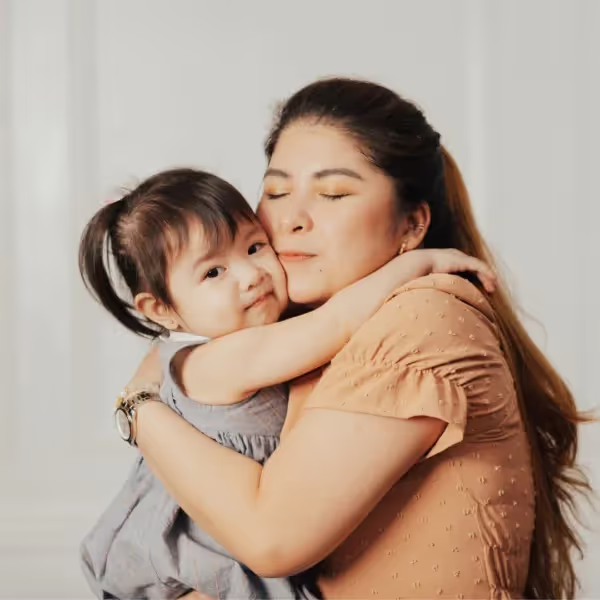
Limited Language Development
As babies develop, they typically begin making sounds and even babbling as they learn to communicate. If your child is not making these sounds or is having difficulty with developing language as they reach their toddler stage, that's a good sign that they might have autism. This is because autistic children often experience language delays and difficulties interacting with others.
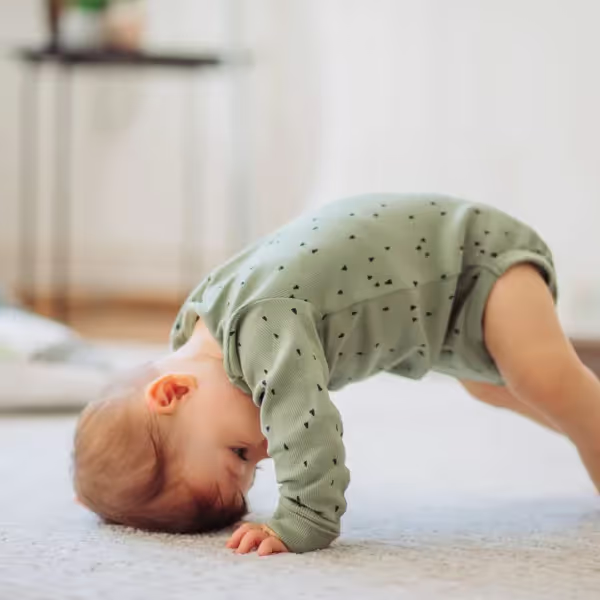
Repetitive Movements or Stimming
Repetitive movements such as body rocking, hand flapping, and spinning are all common behaviors seen in autistic children. This type of behavior is known as stimming and can be a sign of autism in babies.
Reduced Interest in Toys and Playing
As babies develop, they will start to show interest in playing with toys and other objects. Babies with autism might not have the same level of interest in playing, and may prefer repetitive motions or movements instead. If you notice that your child is not interacting with toys or playing with toys in an atypical way, like spinning them or lining them up, it could be a sign of autism.
Get Support From ACES Today
If you suspect that your child has any of these early signs of autism, it is important to talk to your pediatrician and begin seeking treatment right away. ABA therapy and autism therapy from ACES can help your child in developing new skills, learning to communicate, and managing behavior. Contact ACES today to learn more about the services we offer and take a look at our ACES locations throughout the country!
Publicaciones relacionadas



Perspectivas de expertos para familias
Reciba información confiable, orientación práctica y los recursos más recientes de nuestro equipo clínico.