

Potty Training with ABA
TABLA DE CONTENIDO



Just as Applied Behavior Analysis (ABA) can be used to increase wanted behaviors and decrease unwanted behaviors, it can be used to help your child learn to use the toilet. Many parents and therapists have used ABA to effectively potty train children with autism.
When Do I Start?
Before starting a potty training routine, it is important that your child is showing signs they are ready for potty training.
Common signs that a child is showing readiness for potty training include:
- Pulling at or pointing to a wet or dry diaper
- Hiding when soiling their diaper
- Showing interest in others' use of the potty and/or copying the bathroom behavior of others
- Maintaining a dry diaper for longer periods of time
- Telling you they are about to go or have just gone in their diaper
- Showing interest and independence by taking off diaper and/or pants
- Understand and follow basic instructions
Where Do I Start?
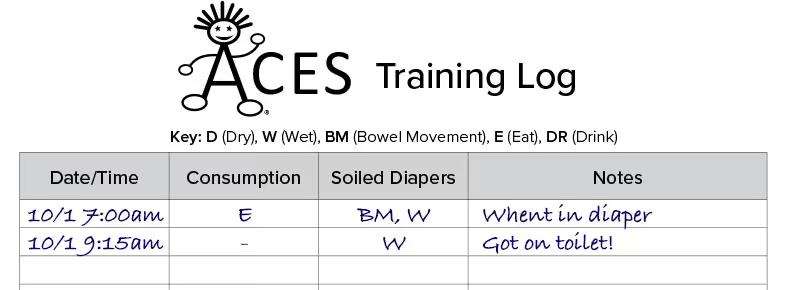
In ABA we love to look at data and this is where we start when looking at potty training a child. Start with taking a few days of data on when your child is wetting and soiling their diapers. Additionally, its important to note:
- Time of Day
- Consumption (when and what child ate and drank)
- Soiled diapers (When and how child soiled their diaper)
- Notes (Any other important notes such as illness or other)
Find the Patterns
Look for patterns in the data you collected. What times of day is your child most often wet or having bowel movements? Does your child wet their diaper after having access to water or milk? Use the pattern data you have identified to help set a schedule for how frequently you will want to bring your child to the bathroom.
For example, if you see a pattern that your child has a bowel movement between 9-10 am every day, you will want to make sure you are providing plenty of opportunity for them to sit on the potty or toilet at that time.
Start Services Ready to get started? Sign-up Today!
Major Insurances Accepted: Aetna, BCBS, Humana, United, Cigna, and more!
If you notice that your child has wet diapers about 30 minutes after drinking their milk with lunch, you will want to bring them to the potty or toilet about 20 or 25 minutes after lunch to try and give them the best opportunity to urinate in the toilet.
Choose Your Language and Schedule
It is important to decide what words you will use to describe actions and urinating in the bathroom. These words can be unique to your family as long as all caregivers and your child understand the words and their meanings.
Some common words used in potty training are:
- Bowel Movement: Poop, poo-poo, Caca, BM, doo-doo, number 2
- Urination: Pee, Pee-pee, wee or wee-wee, tinkle, number 1
Set up the Environment
Establish Expectations and Reinforcement
Publicaciones relacionadas




Perspectivas de expertos para familias
Reciba información confiable, orientación práctica y los recursos más recientes de nuestro equipo clínico.