

Let ACES Help You Get Your Sanity Back!
May 29, 2020
•
5 lectura mínima

TABLA DE CONTENIDO

Comparte con otros


Need 20 minutes to do the dishes, laundry, or sweep the floor? Or just to be alone in peace and quiet? Or do you want to teach your child to be more independent and entertain themselves?
Activity Systems Are for You!
What are Activity Systems?
- Created at The University of Carolina TEACCH Autism Program founded by Dr. Eric Schopler
- Activity Systems emphasizes organization of the environment by highlighting visual information so an individual can improve communication and independence in all skill areas by utilizing visuals that are individualized to his/her functioning level and interests
- Sometimes called structured teaching systems
- Visually organizing mastered tasks to assist the individual to complete tasks independently
- Tells the individual what to do visually

Parent Workshop
Find out more via our Parent Workshop, Activity Systems, Get Your Sanity Back!
What are the Reasons for Utilizing Activity Systems?
- Helps the individual to understand, be calm, learn better, and achieve independence
How Is Prompting Utilized When Using a Work/Activity System?
- Try not to talk and only prompt from behind when absolutely necessary
- Fade prompts quickly to avoid prompt dependency utilizing the prompting hierarchy
- The goal is for the individual to follow the system independently and this should happen quickly if the individual is utilizing the correct type of system
What are the Different Types of Work/Activity System Tasks?
- Self-Contained Tasks – everything needed is in a container
- Folder Tasks – everything needed is in one folder
What Is Needed to Make a Work/Activity System?
- Really any items can be used for work/activity systems! Get creative with what you have in your home
- A tray, large plate, or plastic container is helpful to define the “work” area and provide additional visual structure
- Small containers (e.g., plastic food containers) are useful to categorize items
- Paper and markers are useful to label and draw simple photos for the system
- Table or rug or defined area where the child can do the activity or task
Photos of Self-Contained Activity Tasks
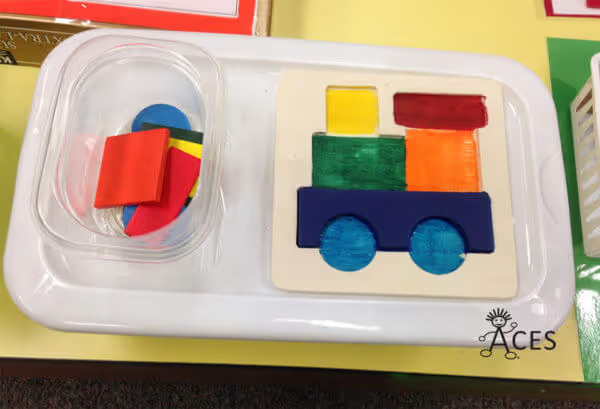
Work Activity System Example
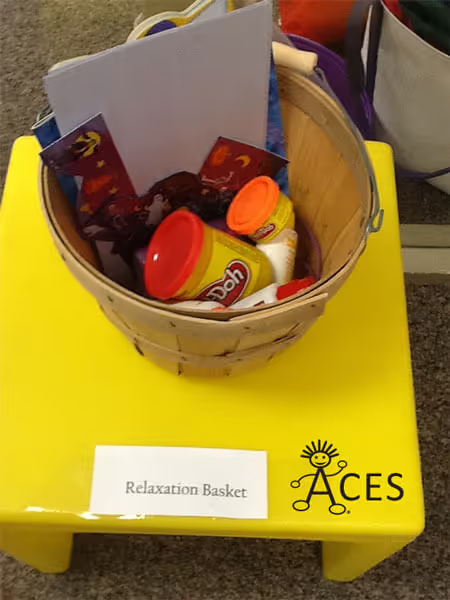
Work Activity System Example
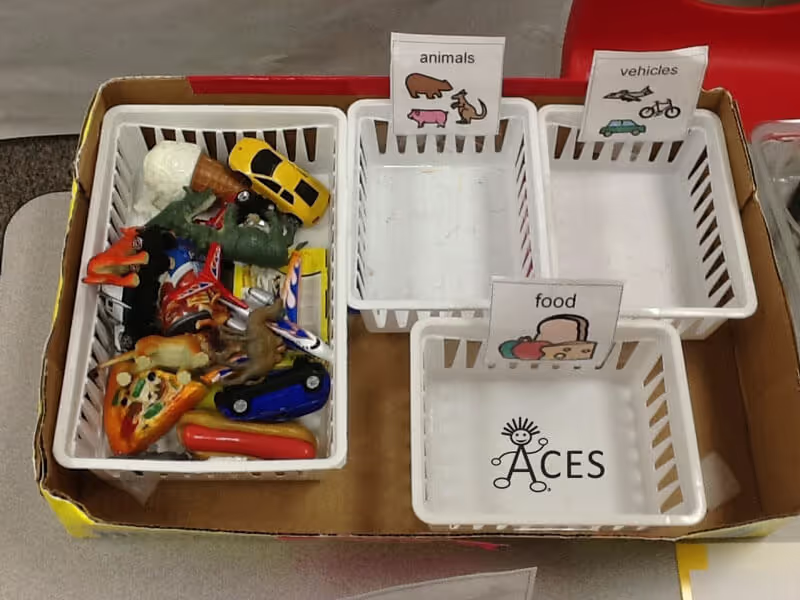
Work Activity System Example
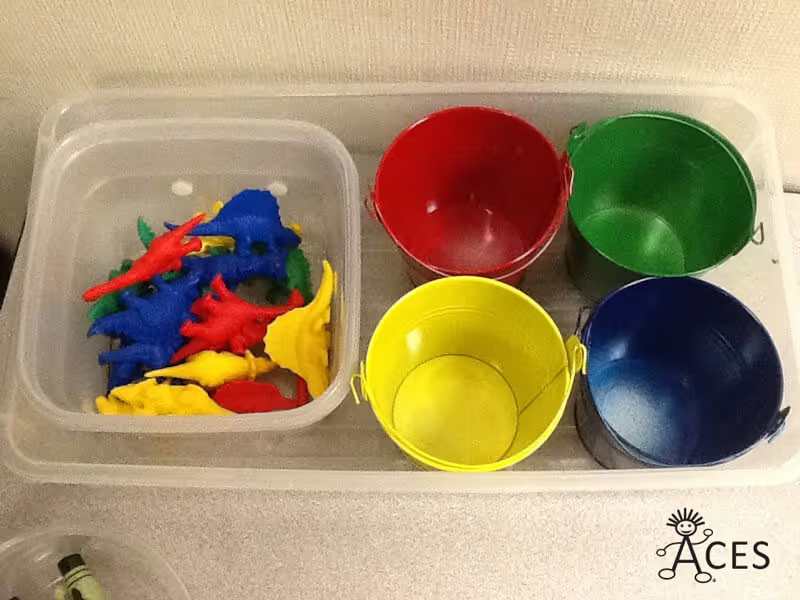
Work Activity System Example
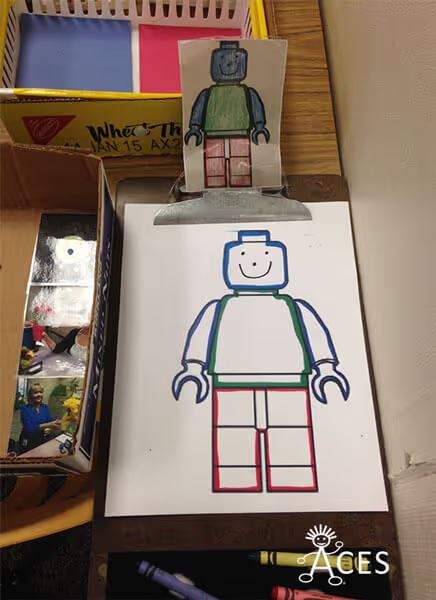
Work Activity System Example
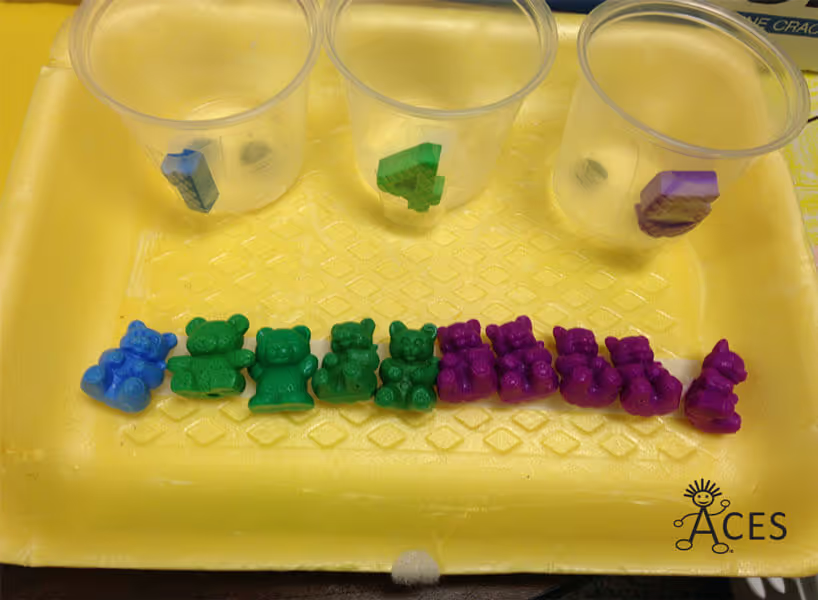
Work Activity System Example
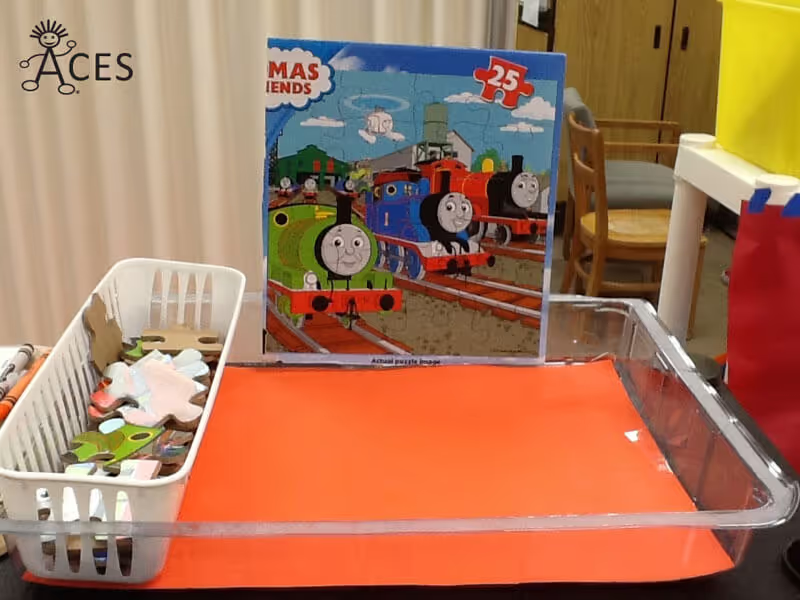
Work Activity System Example
Publicaciones relacionadas

About ACES
5 minutos de lectura
Preparing for 2027: Important ABA Therapy Insurance Reminders for Families
Is your insurance changing in 2027? Learn how to update your coverage, prepare for ABA therapy authorizations, and help avoid delays in care.

About Autism
5 minutos de lectura
How to Involve Siblings in ABA Therapy
Discover simple ways to involve siblings in ABA therapy, strengthen family bonds, and support children with autism through everyday play and activities.

ACES Team
5 minutos de lectura
Press Release: ACES Helps Advance Quality and Transparency in ABA
ACES joins six leading ABA providers to validate CASP treatment benchmarks, demonstrating 2x the outcomes per therapy hour while advancing ABA care.
Perspectivas de expertos para familias
Reciba información confiable, orientación práctica y los recursos más recientes de nuestro equipo clínico.