Ten Off-Screen Ways to Connect with Your Child: And Ten Ways to Connect Using Screens, by Cara Day, M.A.

TABLA DE CONTENIDO

Comparte con otros
During these uncharted times, here are ten suggestions for things to do without a screen. And, to balance it out, ten things you can do with a screen that help create a ridiculous bond between you and your child.
1. Cook: Creating quality time around things you do anyway is a great way to connect with your child. Children love food and it’s great for them to learn how to cook and to practice math skills.
2. Play practical jokes on people: Think of your own, or look up cool ideas for practical jokes and then have a little fun with the people you love. This is a great way to show your child that even though you are their stodgy, protective parent, you are also passionate about having fun with them.
This article can help you get started!
3. Random acts:
Think of them! Don’t hesitate! Do them! Whether it’s randomly making a neighbor a card, cleaning up something for a neighbor, or a larger act of service, make a commitment to doing random acts of kindness with your child. What can you do to help out while keeping yourself safe?
4. Play cards:
Cards help build the brain and the bond. There’s an endless supply of card games to play with your child. Keep a little book of your scores and personal family records. Here are 12 classic games to get you started!
5. Life skills:
Keep the life skills going. Commit to teaching your child one life skill per week, along with practicing ones they have already learned. This could be “how to clean a bathroom” to “how to organize your clothes in a closet” to “how to wash the car.”
6. Exercise or walk:
If you’re not used to working out with your child, consider making them your newest workout buddy! Whether you decide to go on a walk, find a HiiT workout on YouTube, or jump rope, working out builds the brain, body, and promotes healthy sleep and nutrition habits.
7. Play with your pets:
Benefit your bond and your pets by making time to play with them--together. By doing this, you not only show your child that it’s important to spend QT with your pet, but you also get to rub elbows and laugh with your big furry pet, too.
8. Read the same book:
Hop on Amazon and together find a book you can read at the same time. Whether fiction or nonfiction, pick up two copies, and encourage each other through in-depth conversations about what is taking place or what you are learning. Or, use one copy and read page-to-page. Second only to talking with your child, this is the most important activity you can do to help your child learn and grow.
9. Have a family sleepover:
Whether you move a mattress into the TV room or hold it in one of your bedrooms, having a sleepover with your child is super fun. Play cards in bed, eat snacks and candy, watch a movie or comedian, look funny things up on the web, cuddle with pets, look through magazines, and any other fun activity you can think of.
10. Make cool things:
Look up great ideas about cool little things you can make with your child. You can make lights, traps, candles, you name it. Children love melting, destroying, creating, and exploring new inventions, made greater with you at their side.

And Some Terrific Ways to Connect with Screens

1. Shutterfly:
Go to shutterfly.com, upload your pictures, and make an album of your year, a vacation you took, or just some fun times—together. The application is easy to use and you can make a book from as small as 5X7, all the way up to 12X12 or 11X17.
2. Watch a comedian:
Find comedians that make both you and your child fall apart with laughter. Netflix has a hilarious line-up. Or, search animal videos on YouTube. Laughter is the best medicine right now!
3. Do their thing:
See what they are doing on their computer and join in. If it’s not something you can join into, grab your laptop and sit next to them and you can each do your own thing, but in close proximity and the ability for conversation.
4. Random act shopping:
Visit Amazon.com and pick out small gifts to be delivered to friends and relatives you love. There’s nothing quite like getting a little something in the mail, especially when it’s a surprise.
5. Random act greeting card: Similar to random-act shopping, you and your child can share the love by sending online greeting cards to the unsuspecting. Free at
www.123greetings.com or from a small fee at www.americangreetings.com.
6. Online workout: Get your workout clothes on and find a Hiit workout online. You can each do it at your own level while enjoying both sweat and laughter.
.
7. Startcooking.com:
These online video cooking tutorials can help inspire your child to want to jump into the kitchen with you. The videos are bright and easy-to-follow and include foods children actually want to eat
8. Learn something new:
Since we have about 20,000 thoughts per day, and about 18,000 are the same thoughts we had yesterday, it’s important to keep opening new file folders in our brains. Grab your child and search for something completely new that neither one of you knew anything about before you logged in. Latest technology? An interesting animal? The history of a faraway country?
9. Learn geography:
Even with traditional geography education in schools, it’s alarming how little most people know about it. Sheppardsoftware.com has fun games for learning everything about geography, and Google Earth is always a trip.
10. Lumosity Competition:
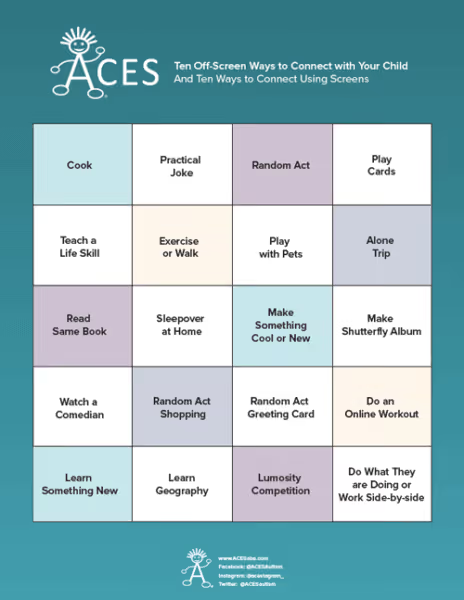
You can play up to 3 free brain games per day. Building neuroplasticity is made even more fun when you and your child are handing the laptop back and forth in competition. It’s fascinating to see how much you can improve in just a few attempts, or who is naturally better at which types of games.For reference, here’s a handy chart you can use to keep track of your engagement. It can be kept on the fridge or other central spot. Put a tally mark each time you do the activity because research shows anything we track expands.

Downloadable Resource

Download

Publicaciones relacionadas

ACES Client Graduations – The Ultimate Goal
5 minutos de lectura
ACES Client Graduations – The Ultimate Goal
ABA Therapy Cost and Insurance: What Parents Need to Know
5 minutos de lectura
ABA Therapy Cost and Insurance: What Parents Need to Know
Learn about ABA therapy costs, insurance coverage, and financial responsibility. ACES helps families navigate the insurance process.
Is It a Speech Delay or Autism? How to Tell the Difference
5 minutos de lectura
Is It a Speech Delay or Autism? How to Tell the Difference
Is your child's speech delay autism? Learn key differences, red flags to watch for, and when to seek evaluation.

Perspectivas de expertos para familias

Reciba información confiable, orientación práctica y los recursos más recientes de nuestro equipo clínico.